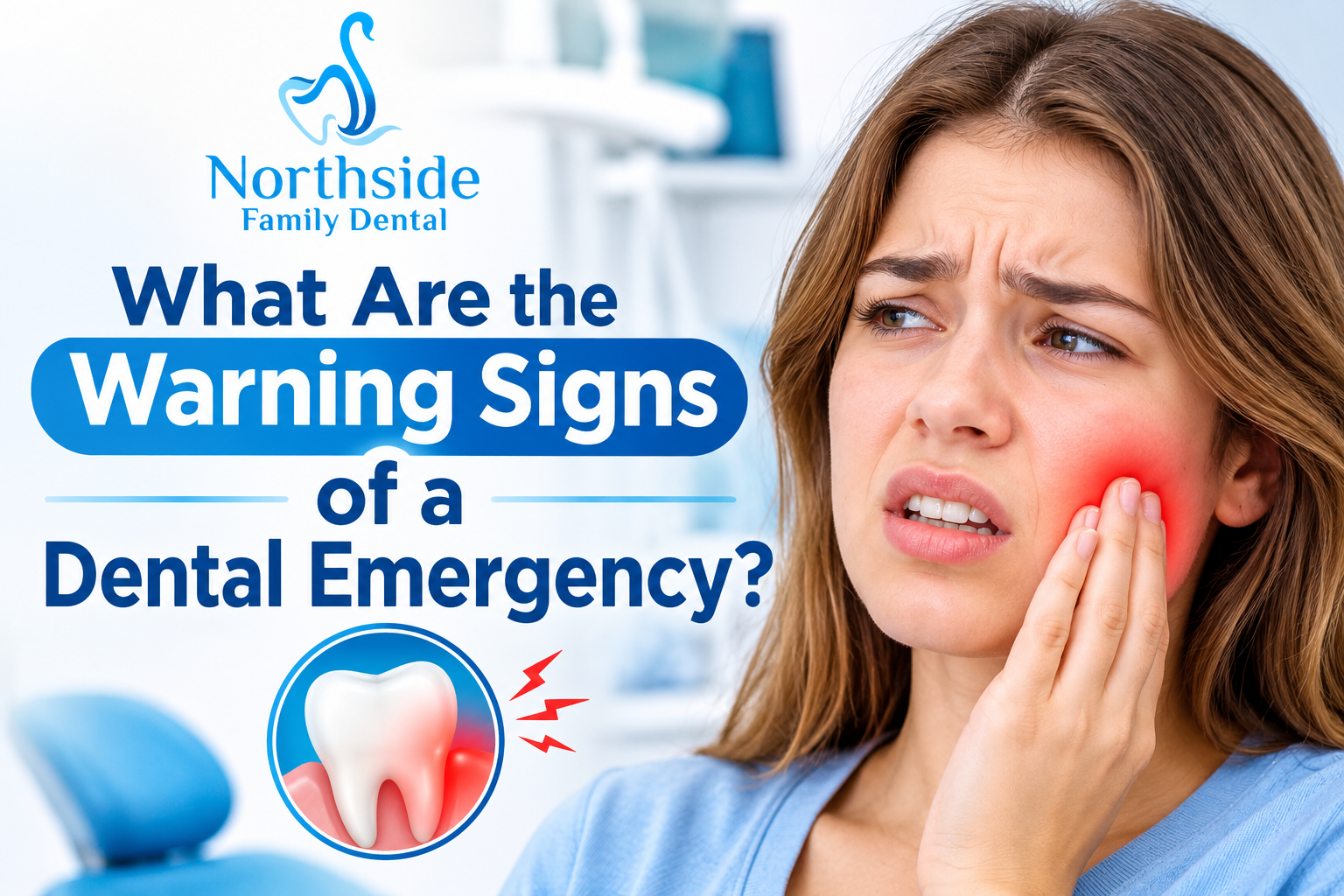
A dental emergency is any mouth problem that involves severe pain, swelling, or the risk of losing a tooth. You may notice a throbbing toothache that medication does not relieve, swelling in the face or jaw, or a knocked-out tooth. If you have a fever, trouble swallowing, or trouble breathing, you should go to an emergency room right away.
You may notice warning signs of a dental emergency, such as severe or throbbing tooth pain, swelling in the face or jaw, or a knocked-out or loose adult tooth. Other signs may include uncontrolled bleeding and a bad taste or pus near a tooth. If you notice any of these, you should call your dentist now.
Knowing the difference between a problem that can wait and one that can’t can help you save a tooth or even prevent a serious infection. This guide explains the main warning signs and what to do after a tooth is knocked out. You will also learn when you should go to the emergency room and how to prepare so you can stay calm and act with confidence when something goes wrong.

What Counts as a Dental Emergency?
A dental emergency is any oral problem that includes serious pain or active bleeding. It may also include swelling or the risk of losing a tooth. These problems need quick care. So do not wait until your next routine visit to get them checked.
The ADA’s MouthHealthy site says that knowing what to do during a dental emergency can mean the difference between saving and losing a tooth. And dentists recommend calling your dentist as soon as possible. If a problem starts suddenly and causes serious pain, or the bleeding doesn’t stop, treat it as urgent. If you are unsure, you can call your dentist right away. Many dental offices keep time open for emergency patients. A quick phone call is usually the fastest way to get help. You should explain your symptoms clearly, including when the pain started and if you have swelling or a fever.
What Are the Key Warning Signs of a Dental Emergency?
Warning Sign |
What It May Mean |
What To Do |
| Severe or throbbing toothache | Deep decay, nerve damage, or infection | Call a dentist the same day |
| Swelling in the face, jaw, or gums | A possible abscess or bacterial infection | Seek urgent dental or emergency care |
| Knocked-out adult tooth | Trauma that needs immediate care | Act within 30 to 60 minutes |
| Loose or shifting adult teeth | Gum disease, root damage, or injury | Book an urgent dental exam |
| Cracked, chipped, or broken tooth | Damage that may expose inner layers | Rinse, use a cold pack, and call a dentist |
| Uncontrolled bleeding | Injury to gums, tongue, or soft tissue | Apply pressure and seek care if it continues |
| Pus or a persistent bad taste | An active infection or abscess | See a dentist promptly |
| Fever, trouble swallowing or breathing | Infection that may be spreading | Go to an emergency room immediately |
Severe or Throbbing Toothache
You must have to going to an emergency room if your pain is unbearable and medication does not help. If pain wakes you up at night or gets worse when you chew, it may signal decay or infection. So do not wait for it to go away on its own.
You can use a cold pack on the outside of your cheek and take an over-the-counter pain reliever as advised to ease the discomfort. However, these only give temporary relief and do not treat the cause. Avoid placing aspirin directly on the gum, because the Mayo Clinic warns it can burn the tissue.
Swelling, Pus, or a Bad Taste
If you notice swelling and a bad taste, it may be a dental abscess. An abscessed tooth will not heal on its own and needs professional care. If you have both swelling and pain, we always recommend that you never ignore it, even if they seem to improve for a few hours.
Loose, Cracked, or Broken Teeth
A broken tooth can hurt quickly. Decay can also spread faster when the inner layers are exposed. If you have swelling, rinse your mouth with warm water and use a cold compress to reduce it. Loose adult teeth may signal gum disease or an injury. So you should have them checked soon. If a tooth feels loose after an injury, you should avoid biting with it and stick to soft foods until you are seen.
What Should You Do If a Tooth Is Knocked Out?
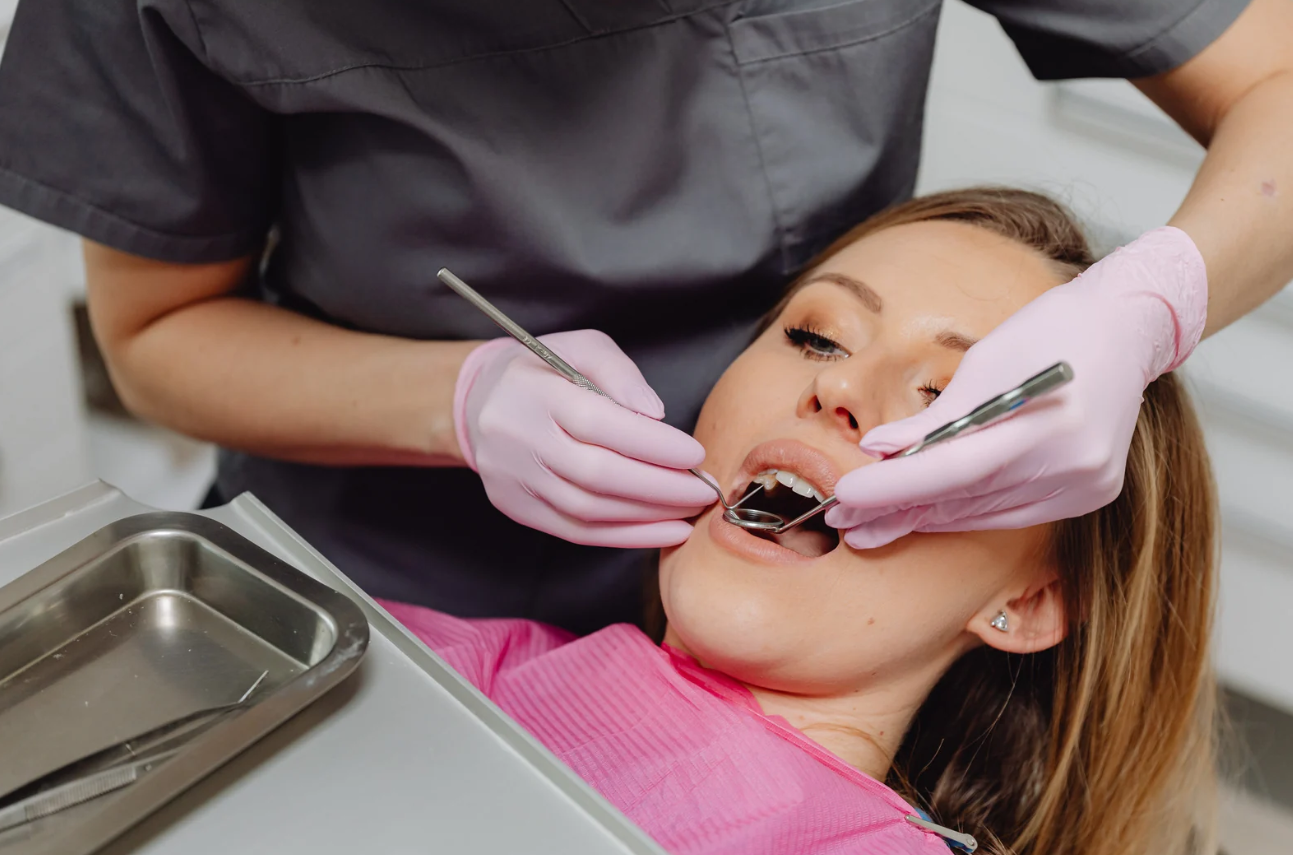
Hold the tooth by the crown and rinse it gently with water or milk. If possible, place it back in the socket and see a dentist within 30 to 60 minutes. Acting fast gives the tooth its best chance. The Cleveland Clinic says teeth treated within 30 minutes to one hour have the best chance of success. There are more than 5 million people in the United States who have a tooth knocked out each year. You can follow these steps for an adult tooth:
When Should You Go to the Emergency Room Instead of the Dentist?
You should go to an emergency room if you have trouble breathing or swallowing, a fever with swelling, or uncontrolled bleeding. You should also seek emergency care for a suspected broken jaw or unbearable pain. These signs can mean a serious problem beyond the tooth.
Dentists recommend going to the emergency department if you have trouble breathing or swallowing. For an abscess, it also lists confusion and a fast heart rate. The ADA also advises going to the ER for excessive bleeding or a suspected broken jaw, and recommends seeking care for any dental emergency when your dentist’s office is closed. A spreading infection is a medical emergency, so do not wait to get help.
How Can You Prepare for a Dental Emergency?
Keep your dentist’s phone number handy and have a small first-aid kit with gauze and a cold pack. Also, know where your nearest emergency room is. A little planning can prevent more serious consequences. It can also help you stay calm when pain or bleeding makes it harder to think.
Frequently Asked Questions
What is considered a dental emergency?
You may have severe pain, bleeding that won’t stop, swelling, or a knocked-out or badly damaged tooth.
How fast must I act for a knocked-out tooth?
The Cleveland Clinic says the best chance of saving the tooth is within 30 minutes to one hour. Keep the tooth moist and see a dentist as soon as possible.
Is facial swelling serious?
Yes, it can be. Swelling may signal an abscess or spreading infection, so seek urgent dental care.
Can I wait if my toothache stops?
No, not on its own. The Cleveland Clinic says that an abscessed tooth will not heal without treatment. So you should call your dentist.
When should I go to the ER?
You can go to the ER if you have trouble breathing or swallowing, or a fever with swelling. Also, if you’re bleeding and it won’t stop.
What should I do for a cracked tooth?
You should rinse your mouth with warm water and apply a cold compress to the area. Then, see your dentist as soon as you can.
Final Thoughts
These are all warning signs of a dental emergency: severe pain, swelling, a knocked-out tooth, uncontrolled bleeding, pus, a fever, or trouble swallowing. If you act quickly, it can save a tooth and prevent a serious infection. Northside Family Dental is here when your family needs help. Schedule your consultation with us today at Northside Family Dental today.
Northside Family Dental
Northside Family Dental
Trusted Family & General Dental Care in North Lakeland, FL
Schedule an Appointment