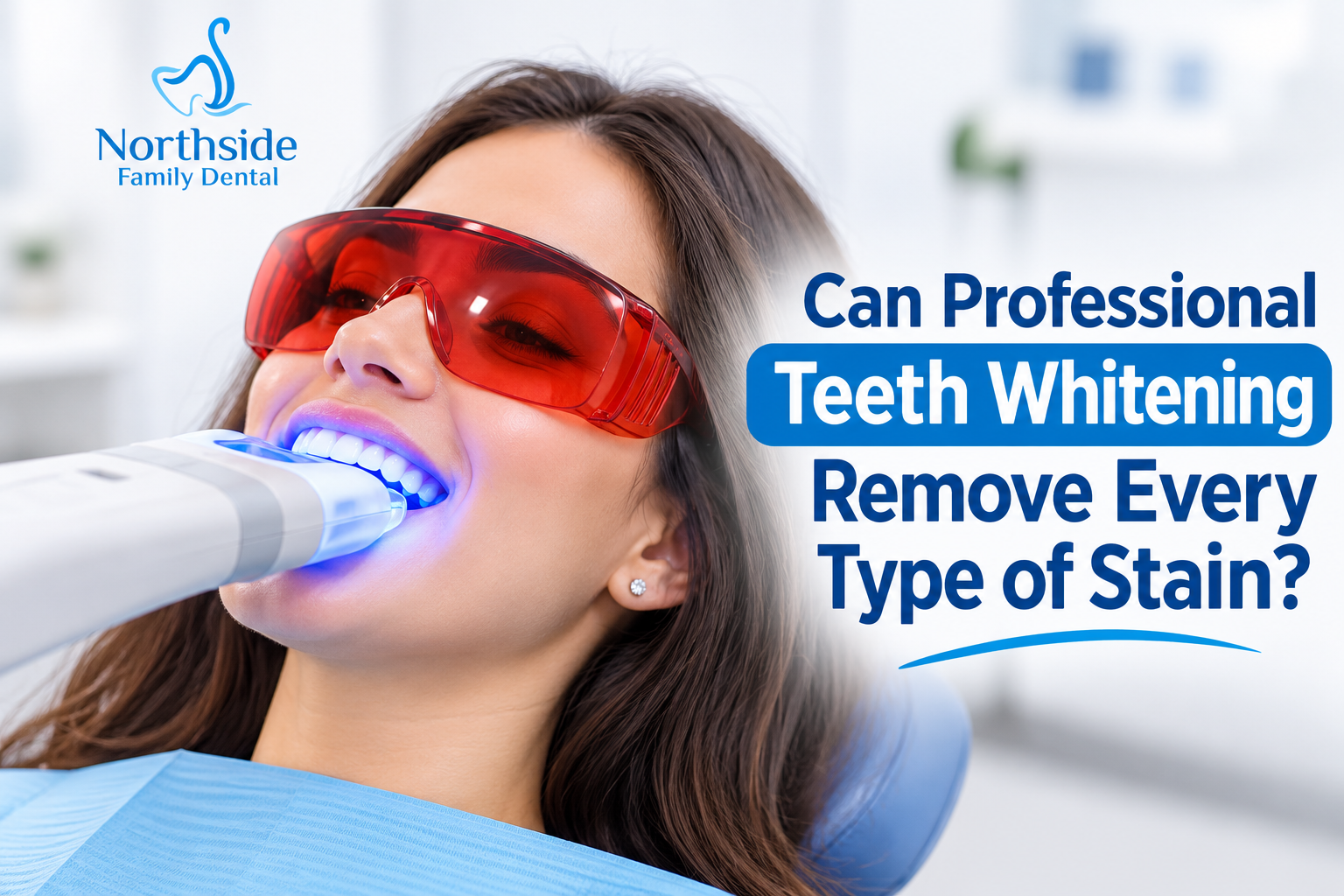
Every stain is caused by a different source. Professional teeth whitening cannot remove all of them. It is very effective on surface stains from coffee, tea, wine, and tobacco, and frequently lightens age-related yellowing. Deeper stains from fluorosis, some medications, or dental trauma may fade very little or not at all. Additionally, fillings, crowns, and veneers do not bleach either. Veneers, bonding, or correcting the underlying tooth issue can be helpful when whitening is insufficient.
Professional teeth whitening cannot remove every type of stain. It works very well on surface stains and mild yellowing, but deeper discolouration often needs a different treatment. Professional gels use hydrogen peroxide or carbamide peroxide, and results depend on the stain’s cause and how deep it sits.
In this article, we will discuss the difference between surface and deep stains and explain which discolorations are best for which treatments. We can also cover what to do when whitening falls short. Stay tuned to learn how a dentist chooses the right plan for your teeth.
What Is the Difference Between Surface and Deep Tooth Stains?
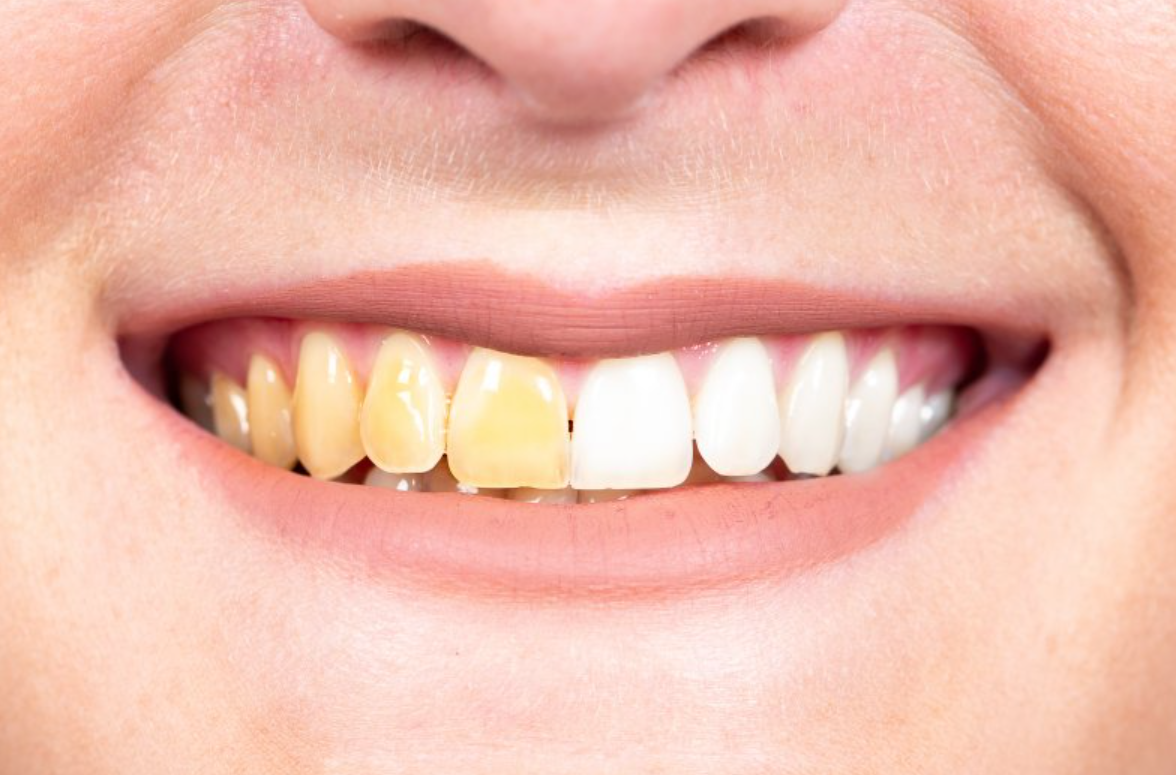
Surface stains sit on the outer enamel. Deep stains form inside the tooth. Surface, or extrinsic, stains result from coffee, tea, red wine, and tobacco. The ADA states that deep, or intrinsic, stains can be caused by fluorosis or certain antibiotics taken while teeth develop. Because deep stains sit beneath the enamel, they are very difficult to reach. In this table, we will compare common stain types.
Stain Type |
Common Causes |
Typical Whitening Response |
| Surface (extrinsic) | It can result from coffee, tea, red wine, dark sodas, and tobacco. | It typically responds well to peroxide gels. |
| Age-related yellowing | Thinning enamel that shows the yellow dentin beneath. | It frequently lightens noticeably. |
| Deep (intrinsic) | Fluorosis, certain medicines, or tooth injury. | Results may differ; it may lighten only slightly. |
| Restorations | It involves fillings, crowns, veneers, and bonding. | Do not change colour. |
Which Types of Tooth Stains Respond Best to Professional Whitening?
Surface stains and mild, age-related yellowing respond best to professional whitening. Over time, enamel wears thinner and reveals the yellowish dentin underneath, and peroxide gels can often lift that shade. According to the ADA, yellow teeth may bleach well. But the brown or gray teeth may not respond as well. Therefore, the colour of your stain says a lot about the result you can expect.
Can Whitening Remove Coffee, Tea, and Tobacco Stains?
Whitening can remove most coffee, tea, and tobacco stains. This is because these pigments are located on the enamel surface. According to the ADA, peroxide-based products break stains into smaller pieces. This makes them look lighter. But if you use tobacco for many years, it may require more than one visit. A professional cleaning beforehand is also beneficial because it removes surface buildup and plaque. You should rinse your mouth with water after dark drinks to prevent new stains from forming.
Why Are Some Grey, Brown, or White Stains Difficult to Whiten?
Grey, brown, and white stains are harder to polish because they typically come from inside the tooth or from changes in the enamel itself. The CDC says that the mildest form of fluorosis shows up as white spots. These are not surface stains. Similarly, a single grey tooth frequently points to an injury or decay. Also, they add that whitening may not work on injured teeth. In these cases, bleaching alone is insufficient to solve the problem.
Can Fluorosis and Tetracycline Stains Be Treated With Whitening?
Whitening can lighten some fluorosis and tetracycline stains. But results may differ and rarely erase them. According to the ADA, whitening can help with intrinsic stains, while the type of stain affects the result and how many treatments you require. Fluorosis is fairly common. The CDC says that approximately 23% of people aged 6 to 49 have dental fluorosis, and only about 2% of people have moderate cases. Additionally, stains from some medications may react poorly, so a dentist should first establish reasonable expectations.
What Can Be Done When Whitening Does Not Remove a Stain?
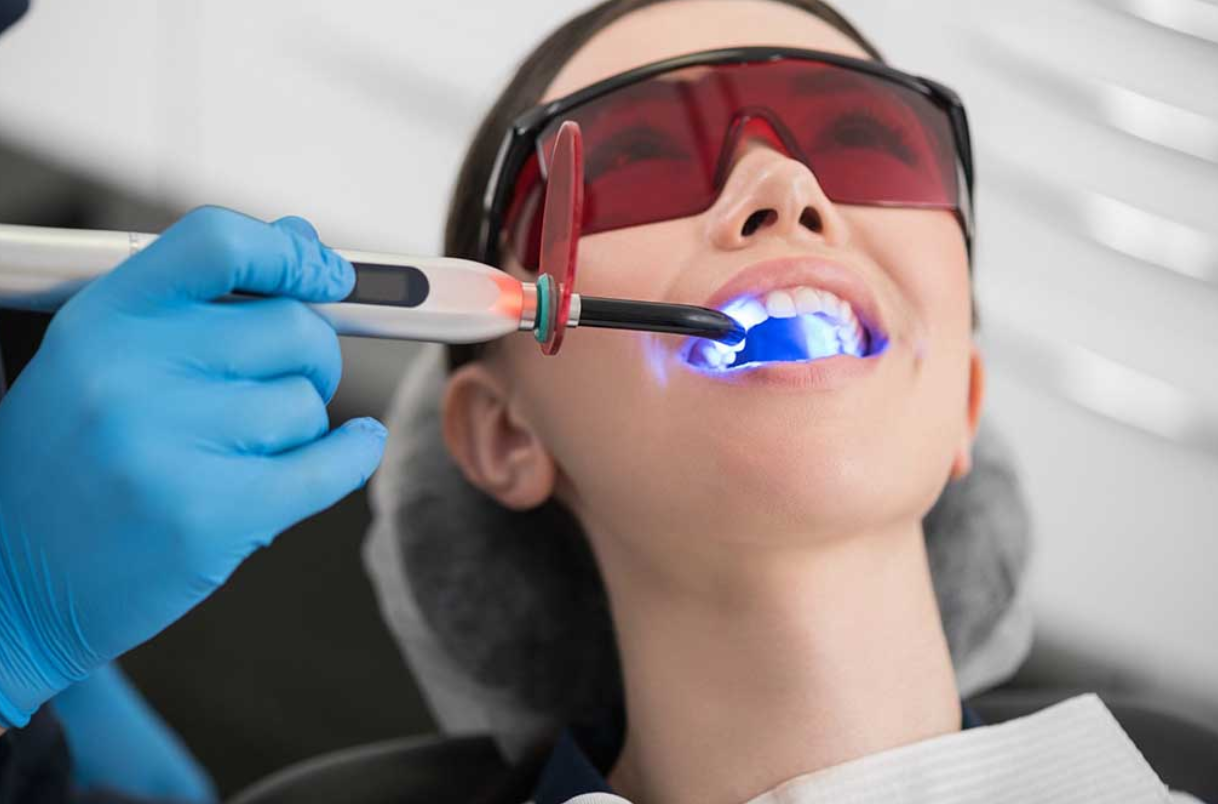
If whitening is useless, a dentist may choose to cover or repair the tooth instead of bleaching it. Here are a few common options:
- Veneers: thin shells that cover the front of a stained tooth.
- Dental bonding: tooth-colored material that hides the discolouration.
- Crown or root canal evaluation: it is necessary when a single dark tooth points to nerve damage or decay.
Additionally, the ADA says that fillings and crowns do not change color with whitening, so previous work may need to be replaced to match your brighter teeth.
How Does a Dentist Determine the Right Treatment for Discoloured Teeth?
A dentist determines the right treatment by examining your teeth and identifying the cause of the discolouration. You should ask questions about medicines, injuries, and daily habits. After that, the dentist may take X-rays to check the tooth’s health and look at existing fillings or crowns. Also, overusing whiteners can harm enamel or gums, so an exam helps keep treatment safe.
Frequently Asked Questions
Can professional teeth whitening remove all stains?
No. It is very effective on surface stains and mild yellowing. However, deep stains may only lighten slightly.
Does teeth whitening work on yellow teeth?
Yellow teeth typically respond well. Peroxide can lighten the yellowish shade of dentin.
Can whitening remove brown or grey tooth stains?
Yes, but brown and grey stains frequently respond less, so your dentist may recommend veneers or bonding.
Can teeth with fillings, crowns, or veneers be whitened?
Natural teeth can be lightened. But fillings, crowns, and veneers will not change color, so shades may no longer match.
What should you do if whitening does not remove a tooth stain?
You need to see your dentist. They can find the cause and recommend bonding, veneers, or other treatment.
Conclusion
Professional whitening is very effective on surface stains and mild yellowing. But it cannot correct every discolouration. A dentist can tell us the difference between deep stains, brown or grey teeth, and restorations, all of which frequently require a different approach. If whitening doesn’t provide your desired result, we at Northside Family Dental are always ready to help. Schedule a consultation with us now, and we’ll provide the best solution for your smile.

Northside Family Dental
Northside Family Dental
Trusted Family & General Dental Care in North Lakeland, FL
Schedule an Appointment