
Article Summary
Most dental insurance plans organize coverage into three tiers based on complexity: preventive, basic, and major care, which are often described as a 100-80-50 structure. Preventive dental care is covered at or near 100%, basic procedures at about 70-80%, and major work at about 50%. But cosmetic treatments and orthodontics are usually not included.
What Dental Procedures Does Insurance Usually Cover?
Dental insurance usually provides three types of care. Preventive services such as cleanings and exams are often covered at or near 100 percent. Simple procedures like fillings are generally covered around 70 to 80 percent. After you meet your deductible, major work like crowns or dentures is usually covered at 50 percent. You can learn more about dentures in Lakeland when considering tooth replacement options.
It can really help to understand this insurance coverage structure. This guides you in deciding whether to plan a procedure now or wait until next year’s benefits reset. Every dental plan is a little different. However, most people follow this basic pattern for organizing dental care depending on cost and complexity.
This article explains what an average dental insurance provider covers and what it usually doesn’t include. It also shows how to make the most of your benefits before your plan year ends.
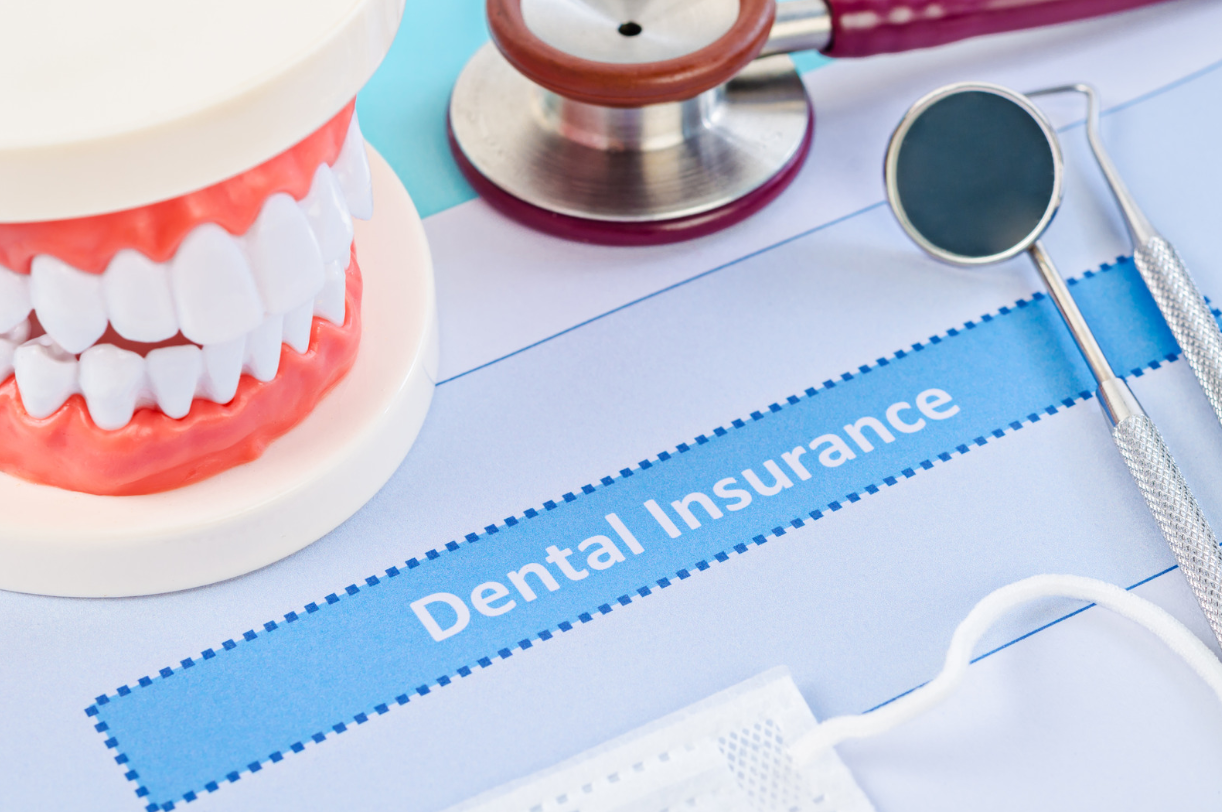
What Preventive Care Does Dental Insurance Cover at 100 Percent?
Preventive care is usually completely covered. This means most patients do not need to pay for routine cleanings, oral exams, or diagnostic X-rays. The American Dental Association recommends regular checkups based on your dentist’s advice. Insurance companies usually cover these visits because finding tooth problems early on can help keep future costs lower.
This tier usually includes cleanings twice a year, regular oral exams, bitewing and panoramic X-rays, and fluoride treatments or sealants. However, fluoride treatments and sealants are often limited to children or specific age groups. Preventive care costs nothing for patients in most plans. If you skip these visits, it may become one of your most expensive mistakes over time.
What Basic Dental Procedures Are Typically Covered?
After you meet your annual deductible, basic dental procedures are usually covered at 70 to 80 percent. You pay the remaining 20 to 30 percent as coinsurance. This tier covers common dental problems beyond routine care, and they usually don’t require major surgery or a lab-made restoration.
It includes cavity fillings, whether they are amalgam or composite resin. Furthermore, it can also cover tooth extractions in Lakeland, non-surgical periodontal treatments such as scaling and root planing, and emergency checkups for severe tooth pain. Some insurers consider root canal treatment in Lakeland to be basic dental procedures covered under this tier. It is best to check your specific plan first because others may shift them into a major category.
What Major Dental Procedures Does Insurance Partially Cover?
Major dental procedures are typically covered at about 50 percent. These treatments involve complex oral surgery or custom-made prosthetics that cost significantly more to produce and place. Because the out-of-pocket share is highest here, this is usually where patients feel insurance costs the most.
Major dental procedures coverage includes dental crowns in Lakeland, inlays, onlays, bridges, full or partial dentures, and complex oral surgery. It also includes the removal of impacted wisdom teeth. Dental implants are an important exception. Standard plans usually do not cover them. Premium or full coverage policies may include implants as a benefit.
Coverage Tier | Typical Coverage | Example Procedures |
| Preventive Care | At or near 100% | Routine cleanings, oral exams, X-rays, fluoride treatments and sealants |
| Basic Procedures | Roughly 70% to 80% | Cavity fillings, simple extractions, deep cleanings, emergency evaluations |
| Major Procedures | Roughly 50% | Crowns, inlays/onlays, bridges, dentures, complex oral surgery, some implants |
| Usually Excluded | 0% on most plans | Teeth whitening, veneers, cosmetic contouring, most orthodontics on individual plans |
What Do Most Dental Plans Exclude?
Most dental plans do not cover cosmetic procedures or, in many cases, orthodontics. These treatments are usually considered optional instead of medically necessary. If you are considering teeth whitening, porcelain veneers, tooth shaping, or cosmetic gum contouring, insurance usually doesn’t cover these treatments. This is often true regardless of plan level.
If you need braces or clear aligners like Invisalign, standard individual plans usually don’t cover them. Some employer-sponsored group plans may include a separate orthodontic benefit. These benefits usually have a lifetime limit and may cover only dependents under age 19. If your family may need orthodontic treatment, carefully review your insurance plan documents.
How Can You Get the Most Out of Your Dental Insurance Benefits?
Making the most of your benefits requires careful timing and using preventive visits. It also helps to know your plan for the year before scheduling major procedures. When you use preventive care regularly, it usually is not included in your annual maximum. This helps you to save more of your benefits for basic or major treatments that you may need later.
Not all plans provide the same amount of coverage. That is why it is essential to know your specific benefits. According to the CareQuest Institute’s most recent national survey, around 27% of American adults, or about 72 million people, do not have any dental insurance. If you have a dental care network or an employer-sponsored plan, check your remaining yearly maximum before the plan year closes. This might help you schedule any big work you need to do while your benefits are still available.
Frequently Asked Questions
Does dental insurance cover cleanings completely?
Many plans cover routine cleanings at or near 100 percent. Usually, you can have them twice a year. If you have a documented history of gum disease, your insurance plan may cover extra cleanings.
Are cavity fillings considered basic or major dental procedures covered by insurance?
Cavity fillings are usually considered basic dental procedures. After you meet your deductible, most plans cover you for 70 to 80 percent. This tier usually covers both amalgam and composite resin fillings.
Why do insurance plans only cover half the cost of crowns and dentures?
If you need Crowns, bridges, and dentures, they are generally considered major restorative care. These treatments need customized lab work and more complex procedures. Insurance normally covers about 50% of the cost. This is because these treatments can be more expensive to make and place.
Does dental insurance ever cover braces or Invisalign?
If you have a standard individual dental plan, they do not cover orthodontic treatment. Some employer-sponsored group plans may include orthodontic coverage. However, it usually has a limit and may only cover dependents under age 19.
Will my insurance cover a dental implant?
If you have a standard dental plan, it may not include implants. They are often considered an alternative to a bridge or denture. Premium or full-coverage plans may cover some of the cost. Patients considering implants can learn more about dental implant services in Lakeland before making a treatment decision.
What happens if I don’t use my preventive care benefits?
If you don’t use your preventive visits, they normally don’t carry over to the next plan year. This means you may lose the benefit totally. Preventive care normally does not count toward your annual maximum. If you don’t use these benefits, you are leaving coverage you could have used on the table.
Final Thoughts
When you know how your dental insurance covers preventive, basic, and major care, you can plan your treatment better. This can also help you avoid any unexpected expenses. Preventive checkups are usually free, but basic procedures may require coinsurance. Major treatments typically have higher out-of-pocket costs. However, cosmetic treatments and most orthodontics are usually not included in standard insurance-covered dental services.
At NorthLakeland Dentist, we help you with reviewing your benefits and knowing what your plan covers. This can help you understand what to expect before starting any treatment. Schedule a dentist appointment in Lakeland, FL with NorthLakeland Dentist today.
Northside Family Dental
Northside Family Dental
Trusted Family & General Dental Care in North Lakeland, FL
Schedule an Appointment